Independent insurance guide

What makes pet insurance good for cats?

A good cat policy should fit feline care, your cat’s record and the way you can pay for a claim. Start with the benefits you would actually rely on.

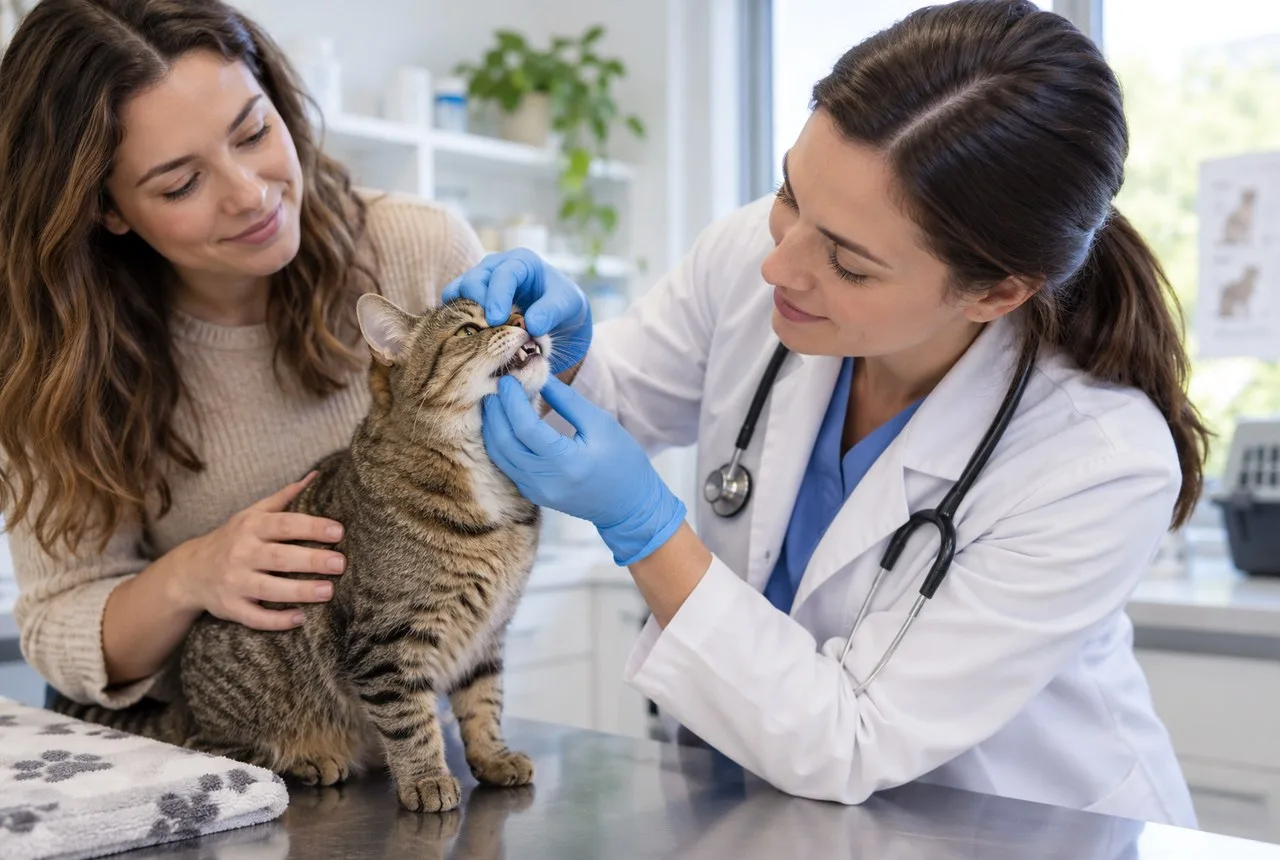
A veterinarian gently examining a tabby cat with its owner nearby
✓ Policy-first ✓ Independent ✓ Useful checks
Direct answer
Good pet insurance for cats combines useful accident-and-illness coverage, clear exclusions and manageable out-of-pocket costs. Check dental illness, urinary-condition wording, examinations, ongoing treatment and specialist care in the actual policy. Then compare the premium with your cat’s history and your ability to fund the deductible and clinic payment; a long benefit list alone does not establish value.
What to know

Read the policy through four feline-care situations

An unexpected urinary problem

Cornell explains that similar urinary signs can have different causes. Check eligible diagnostic testing, emergency treatment and hospitalization, and how earlier symptoms could affect a later claim. Suspected obstruction requires immediate veterinary attention; insurance shopping should not delay care.

A painful dental problem

Look separately at accidental tooth injury, dental illness and routine cleaning. Cornell identifies conditions such as tooth resorption and periodontal disease, so “dental included” needs more detail about diagnoses, treatment and limits.

A condition needing continuing care

Review prescriptions, follow-up tests, specialist visits and renewal treatment. Ask what happens when eligible treatment spans policy years and whether a deductible resets. Do not assume every ongoing expense fits the same benefit.

An ordinary well-cat visit

Preventive examinations and screening may belong to a separate routine-care benefit. Decide whether the schedule matches services you would use; it should not distract from the protection you want for a large unexpected illness.

These situations are policy-reading prompts, not predictions that your cat will develop a particular problem. An indoor lifestyle does not remove the need to examine illness coverage, and a young age does not guarantee that all future conditions will be eligible.

Decision guide

Choose the contract features that change your share

Feature A useful test
Reimbursement method Can you explain how payment is calculated from an eligible invoice, including the deductible order and any benefit schedule?
Annual and other limits Would one complex episode use most of the maximum, and do dental or other benefits have smaller caps?
Examination fees Are illness and emergency consultation charges included or optional?
Prescription and specialist care Does the plan include the treatment types you want, and are referral or authorization conditions relevant?
Renewal and continuity How does the contract handle an eligible condition that continues after renewal, and what would a change of insurer do to its status?

Ask an insurer to work through its payment method using an example, then compare that explanation with the policy. Identical percentages on two quote screens can conceal different eligible costs or calculation methods. A higher maximum is useful only for claims that survive the exclusions and any narrower benefit limits.

Decision guide

Two reasonable buyers can choose different settings

An owner with a healthy young cat and a substantial veterinary reserve may favor a larger deductible while retaining meaningful illness protection. The purpose is to transfer severe eligible costs while paying smaller bills directly. That approach requires the reserve to be real and available.

An owner with little spare cash may prefer a smaller deductible, yet still need a way to pay a clinic before reimbursement. A high reimbursement percentage does not necessarily solve that cash-flow problem. Ask both the clinic and insurer about the actual process rather than relying on a direct-payment slogan.

For a cat with existing disease, first identify the eligible protection that remains. The premium may buy help for unrelated future care while the known condition stays in the household budget. If the remaining scope is not useful for its price, a different policy or self-funding can be a more coherent choice.

Coverage

Check benefit names against the state version

Current insurer materials illustrate why a product name is insufficient. Embrace’s current overview lists dental illness, while the full contract and applicable limits determine the actual benefit. Do not transfer a benefit from one company, state or policy version to another.

Ask for the document naming the option, covered services, limits and exclusions. If your concern is tooth resorption, ask about that condition specifically. If it is a future urinary illness, ask how prior urinary signs and related conditions are defined. Precise questions are more useful than asking whether the policy is “comprehensive.”

Read any maintenance or examination requirements too. A wellness benefit paying for a cleaning does not establish insurance for an existing dental disease. Conversely, eligible dental illness treatment is not necessarily the same as a scheduled preventive cleaning.

Cost & value

A short quality check before price breaks the tie

  • The cat’s profile and medical history are accurate, and the provider can offer the intended coverage in your state.
  • You can identify the exclusions most relevant to the record and the benefits important for feline care.
  • The deductible, payment percentage and limits leave a share you can manage.
  • You understand claims documents, clinic payment timing and the implications of renewal or switching.
  • The premium fits alongside routine care and a reserve for uncovered expenses.

Once those questions are answered, compare current quotes with equivalent settings. Keep the result specific to your cat. A policy can be good without paying every bill, but its limits should be limits you understand and can plan around.

Evidence

Sources and further reading

The guide draws on public consumer or veterinary references and, where named, current insurer materials. The policy issued for your pet and state determines benefits.

Next step

Compare Current Pet Insurance Rates

Check current options for your pet and location, then compare the policy details, exclusions, costs, and eligibility before choosing.

Compare the policy before you choose Check the actual offer, exclusions and out-of-pocket terms.
See Rate Options